Hifzul Qur’an — The Virtue, Benefits and Lasting Impact of Memorizing the Qur’an
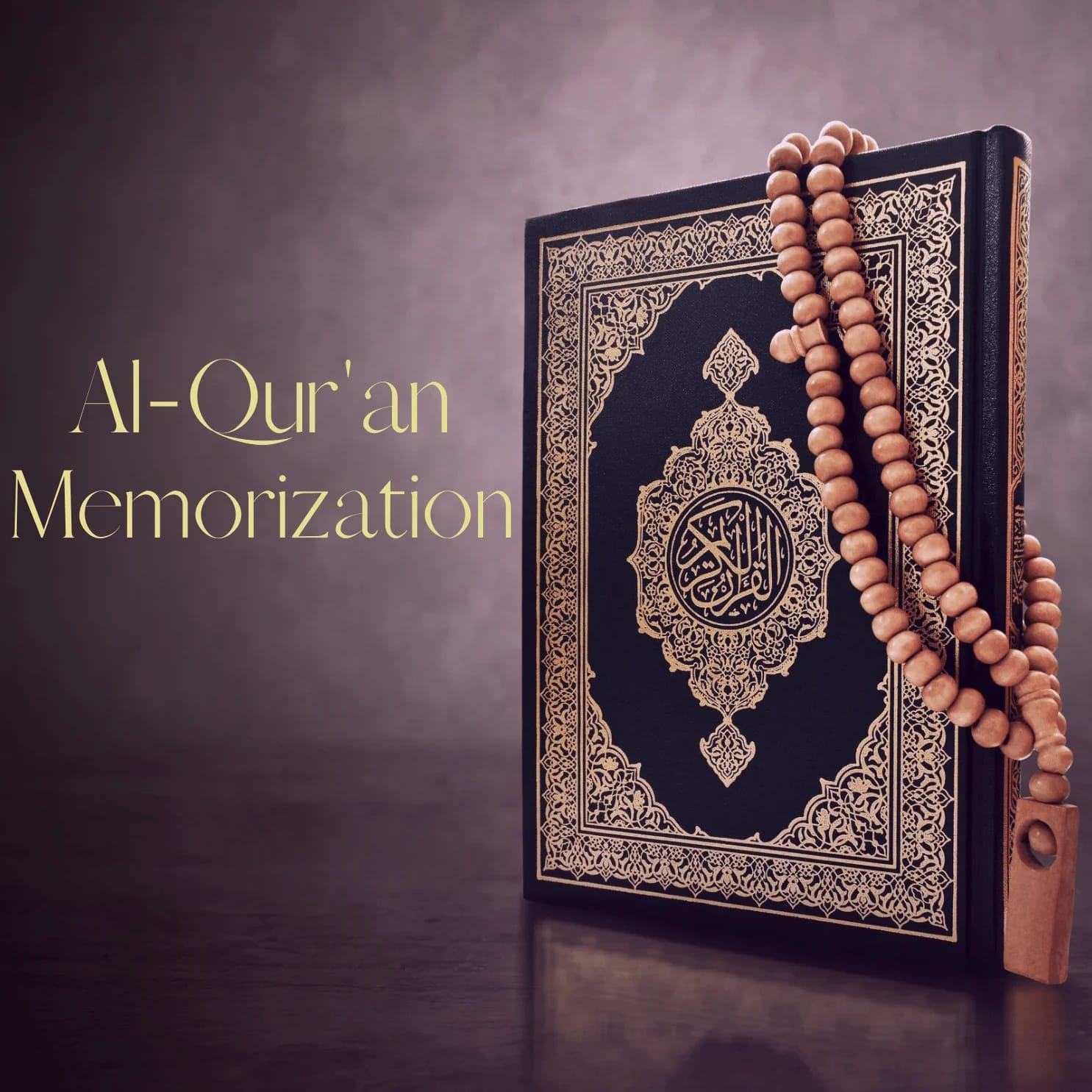
Hifzul Qur’an (حفظ القرآن) is one of the noblest forms of devotion to the Book of Allah. It is not merely the act of memorizing verses by heart; rather, it is a journey of preserving the words of Allah within the heart, reciting them regularly, understanding their message, and striving to live according to their guidance.
Allah has honored the Qur’an by making it accessible for remembrance and memorization:
وَلَقَدْ يَسَّرْنَا الْقُرْآنَ لِلذِّكْرِ فَهَلْ مِن مُّدَّكِرٍ
“And We have certainly made the Qur’an easy for remembrance, so is there anyone who will remember?”
— Surah Al-Qamar 54:17
This verse is repeated in Surah Al-Qamar, reminding believers that Allah has made His Book accessible to those who sincerely seek to learn, remember and preserve it.
The Qur’an in the Hearts of Believers
Allah says:
بَلْ هُوَ آيَاتٌ بَيِّنَاتٌ فِي صُدُورِ الَّذِينَ أُوتُوا الْعِلْمَ
“Rather, it is clear verses preserved within the breasts of those who have been given knowledge.”
— Surah Al-‘Ankabut 29:49
Memorizing the Qur’an therefore gives a believer a unique relationship with Allah’s Book. The Qur’an is not confined to a page or kept only on a shelf—it becomes present within the believer’s heart and accompanies him throughout his life.
The Virtue of Memorizing and Preserving the Qur’an
The Prophet ﷺ strongly encouraged Muslims to remain connected to the Qur’an.
He ﷺ said:
“Commit yourself to the Qur’an, for by Him in whose Hand is my soul, it is surely more prone to break away than a camel in its bind.”
Sahih al-Bukhari 5033
This hadith teaches an important lesson: memorizing the Qur’an is not the end of the journey. Hifz requires continuous revision, recitation and commitment.
The Prophet ﷺ also said:
“The example of the person who knows the Qur’an by heart is like the owner of tied camels. If he keeps them tied, he will control them, but if he releases them, they will run away.”
Sahih al-Bukhari 5031
Therefore, a successful Hifz program should develop not only memorization but also a lifelong habit of Muraja‘ah (revision).
Benefits of Hifzul Qur’an in This World
1. The Qur’an becomes a lifelong companion
A person who memorizes the Qur’an can recite Allah’s words wherever he is—at home, while travelling, during prayer and in many other circumstances.
The Qur’an becomes something he carries within himself throughout his life.
2. It strengthens the connection with Allah
Regular memorization and revision require a person to spend time with the Qur’an every day. This continuous relationship can encourage greater reflection, remembrance of Allah and obedience to Him.
3. It improves discipline and consistency
Hifz requires patience, concentration, repetition and daily commitment. A student learns that significant achievements are built through consistent effort rather than occasional enthusiasm.
These habits can positively influence other areas of life, including study, time management and personal responsibility.
4. It strengthens Qur’anic literacy
A Hafiz becomes deeply familiar with the words, structures, recurring themes and passages of the Qur’an. With proper instruction, memorization can therefore become a foundation for further Qur’anic learning, including Tajweed, Tafsir and Arabic studies.
5. It supports worship and Salah
A person who has memorized substantial portions of the Qur’an has a greater range of passages available for recitation in Salah and personal worship.
6. It develops patience and perseverance
Memorizing the Qur’an is not always easy. Some verses are remembered quickly while others require repeated effort. This teaches students Sabr, perseverance and determination.
7. It can positively shape character
The true objective of Qur’anic education is not simply to remember words, but to allow the guidance of the Qur’an to influence one’s conduct.
A student should therefore be encouraged to combine Hifz with understanding, good manners, Adab, Akhlaq and practical application.
Benefits and Honour in the Hereafter
The greatest reward of Hifzul Qur’an is not worldly recognition. Its ultimate purpose is to seek the pleasure of Allah and attain reward in the Hereafter.
The Prophet ﷺ said regarding the person associated with the Qur’an:
“Recite and rise up, and be increased in reward with every Ayah.”
This narration is reported in Jami‘ at-Tirmidhi 2915, where Imam al-Tirmidhi graded the hadith Hasan Sahih.
This hadith illustrates the immense honour associated with the Qur’an in the Hereafter and the special status connected with reciting it.
A Crown and Garment of Honour
A narration also mentions that the Qur’an will bring honour to the person who devoted himself to it. The report in Jami‘ at-Tirmidhi describes the person being given a crown of honour and a garment of honour, followed by the command to recite and ascend.
There are also narrations concerning honour being granted to the parents of one who learns and acts upon the Qur’an. However, because scholars have discussed the grading and chains of some of these reports, it is better not to present every popular claim about the virtues of a Hafiz as unquestionably authentic.
Hifz Is a Responsibility, Not Merely a Title
One of the most important principles of Hifzul Qur’an is that memorization should be accompanied by practice and character.
A person should not think that completing the memorization of the Qur’an is the final destination. Rather, it is the beginning of a deeper relationship with Allah’s Book.
The goal should be:
Memorize → Revise → Understand → Reflect → Practice → Teach
The Qur’an should be visible not only on a person’s tongue but also in his Salah, manners, honesty, patience, family life and dealings with others.
The Importance of Continuous Revision
A student who completes Hifz must continue revising the Qur’an throughout life.
The Prophet ﷺ warned that the Qur’an can quickly leave the memory if it is neglected.
For this reason, an effective Hifzul Qur’an program should include:
- Daily memorization
- Daily Muraja‘ah
- Regular revision of previous portions
- Correct Tajweed and Makharij
- Listening and recitation practice
- Regular assessment
- Understanding the meaning of selected verses
- Development of Adab and Islamic character
- Guidance for maintaining Hifz after completion
Hifzul Qur’an — A Journey for Life
Hifzul Qur’an is much more than memorizing 114 Surahs. It is a lifelong journey of building a relationship with the speech of Allah.
A student begins by memorizing a verse. Then he learns to recite it correctly. With time, he learns its meaning, reflects upon its guidance and strives to implement it in his life.
The ultimate achievement is therefore not simply:
“I have memorized the Qur’an.”
Rather, it is:
“The Qur’an has become a guide for my life.”
Conclusion
Hifzul Qur’an is one of the most beautiful ways a Muslim can dedicate himself to the Book of Allah. It develops discipline in this world, strengthens one’s relationship with the Qur’an, supports worship and provides an opportunity to earn immense reward in the Hereafter.
However, the true beauty of Hifz is realized when memorization is combined with correct recitation, continuous revision, understanding, practice, good character and sincerity for Allah.
May Allah make the Qur’an the light of our hearts, the guidance of our lives, and a source of mercy and success for us in this world and the Hereafter.
اللهم اجعل القرآن ربيع قلوبنا ونور صدورنا
O Allah, make the Qur’an the spring of our hearts and the light of our chests.